

Blog
Insights
Exploring How Private Label Wines Are Reshaping the Hospitality Menu, Through Cami Lehmann’s Lens
Cami Lehmann, Vice President of Marketing at Molak Corporation, on how smaller hospitality groups can use exclusive house wines to build brand equity, drive margin, and create memorable guest experiences
Walk into almost any independently run restaurant group today and you're likely to find at least one wine on the list with a label unique to the restaurant. It might carry the restaurant's name, a nod to its neighborhood, or a design that echoes its aesthetic—but it's almost certainly a private label wine. What was once the domain of large hotel chains and national casual dining brands has quietly become one of the more compelling tools available to small and mid-scale hospitality operators. Done well, private label wines offer margin advantage, brand differentiation, and a genuine point of storytelling at the table. Done poorly, they sit in a back storage room collecting dust. Cami Lehmann has seen both outcomes. As Vice President of Marketing at Molak Corporation—which operates a portfolio of restaurant concepts—she has spent years working across marketing, wine buying, and program management for multi-unit on-trade accounts. We sat down with her to get a frank look at what private label wine programs actually deliver, and what it takes to make them work.
Edited excerpts from the interview.
What core business problems do private label wine programs solve for hospitality groups?
At the most fundamental level, private label programs hand control back to the operator. When you're working with nationally distributed brands, you're largely subject to the pricing structures, availability, and positioning that the producer and distributor have already established. With a private label, you set the parameters—you decide what the wine tastes like, what it costs, what it's called, and how it fits into your overall program. That's a meaningful shift. Beyond the operational and financial control, there's a branding dimension that often gets underappreciated. A well-executed private label wine is an extension of the concept itself. The name, the label design, the story you tell about it: all of that contributes to brand equity in ways that no third-party product can replicate. Guests who have a great experience with your house wine are building an association with you, not with a winemaker they'll find at their local retailer. That loyalty, compounded over time, is genuinely valuable.
In your experience, when does a private label wine make more sense than listing a nationally recognised brand?
I'd actually push back a little on the framing of that as an either-or question, because in practice, the strongest wine programs tend to include both. Nationally recognised brands serve a real purpose. There's a segment of every dining room that wants familiarity and nationally recognised brands cater to this crowd. They've had a certain Cabernet before, they know they like it, and having it on the list gives them confidence. You don't want to chase those guests away.
Where private label wines earn their place is in the exclusivity they offer. If a guest can walk out of your restaurant, go to the wine shop around the corner, and buy the exact same bottle for twelve dollars, you've somewhat undermined the magic of the dining experience. A private label removes that comparison entirely. It's something they can only get from you, which does two things: it enhances the sense that dining with you is a distinctive experience, and it gives you much more latitude on pricing, because there's no external reference point for the guest to anchor against. This is where private labels really earn their margin.
How do guests generally perceive private label or house-label wines in casual and mid-scale dining environments? What factors influence guest trust?
Perception has shifted considerably, and I think that's partly a function of the overall elevation in dining culture. Guests today are more curious and more open-minded about wine than they were even a decade ago. When a private or house-label wine is positioned with intention—when it's clearly been chosen to complement the food, when it has a coherent name and story, when it fits the aesthetic of the restaurant—guests respond well. They read it as a sign that the operator has put thought into the program, and that reads as a marker of quality.
The single biggest trust factor, in my experience, is the server themselves. A confident, knowledgeable recommendation from your staff can move a table from hesitation to enthusiasm in about thirty seconds. Menu language matters too—descriptive, approachable copy that tells the guest what to expect without being condescending does a lot of heavy lifting. Price positioning is important as well; if your private label is priced too low, it signals that something might be wrong with it. And food pairing is a tool that's underused. When a server can say, 'This is fantastic with the short rib we have tonight,' the guest doesn't have to make a leap of faith—the decision has been made for them in a way that feels considered and hospitable.
Which wine categories or styles tend to perform best as private labels within small to medium hospitality groups?
Volume and occasion drive a lot of this. Private labels tend to find their footing fastest in the settings where wine flows freely and guests aren't necessarily in deep deliberation mode—happy hour, private events, buyouts, wedding blocks, that kind of environment. In those contexts, having a house wine that pours confidently and tastes reliably good is a real asset.
In terms of varietals, I always advise operators to start with the popular U.S. anchors—your Cabernet Sauvignon, Chardonnay, Pinot Grigio, and a solid rosé if the concept calls for it. Those are the categories guests already have an appetite for, so you're not fighting consumer inertia on top of everything else. Get a balanced red and white offering established at a price point that works, build familiarity among your staff, and then you have a foundation from which you can experiment with something more unexpected if that suits the direction of the program.
What should hospitality groups prioritise when selecting winery or supplier partners for private label projects? What common sourcing challenges should operators expect?
The relationship itself is what matters most, and that starts with transparency. You want a partner who will tell you the truth about what's possible at a given price point, what the minimum order quantities look like, what the lead times are, and what happens if something goes sideways with a vintage. Operators sometimes go into these conversations treating it purely as a product transaction, and that's a mistake. You're entering into an ongoing partnership, and those work best when both sides feel genuinely invested in each other's success.
Prior private-label experience on the supplier's side is a significant advantage. A winery that has navigated custom programs before will understand the approval processes, the label compliance requirements, the logistics of small-batch production, and the rhythm of working with an operator who has their own timelines and budgets. As for challenges—forecasting is the big one. Operators consistently underestimate how difficult it is to predict volume accurately enough to avoid either stockouts or overstock situations. The best mitigation is building a relationship where you can have honest, ongoing conversations about where you're tracking and adjust together rather than treating each order as an isolated transaction.
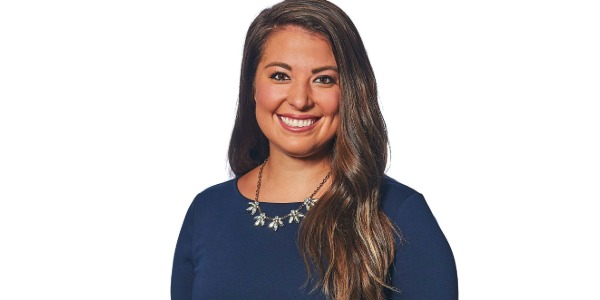
Cami Lehmann- Vice President of Marketing, Molak Corporation
What pricing strategies help ensure private labels drive profitability without undercutting premium offerings? What KPIs should operators track?
The pricing freedom that private labels offer is one of their most underappreciated advantages. Because guests have no external price benchmark for a wine they can't find elsewhere, you can price to margin in a way that simply isn't possible with national brands that guests may know the retail value of. That doesn't mean you should gouge—it means you have room to be strategic. You can position your private label at a price point that makes it feel like good value while still delivering a pour cost that works for the business. Meanwhile, your nationally recognised wines can do their job as premium or aspirational options without being dragged into a price comparison with your house pour.
On the measurement side, raw sales volume is the obvious metric but it tells an incomplete story. I'd also track year-over-year growth within the wine category as a whole, the ratio of private label to total wine sales, server attachment rates—how often your staff are recommending and successfully selling the private label—and qualitative signals like guest comments and reviews that reference the wine experience. Brand recognition is harder to quantify but worth monitoring: are guests coming back and asking for the house wine by name? That's a sign the program is becoming part of your identity, which is ultimately what you want.
What mistakes do smaller groups commonly make when launching their first private label wine?
Forecasting errors, almost without exception. It's the mistake I see most often, and it tends to manifest in one of two directions. Either an operator is conservative—they don't want to commit to a large order, so they produce a modest quantity, and then the wine sells better than expected, they run out, and they've missed the margin opportunity they set the whole program up to capture. Or they swing the other way, get excited about the potential, over-commit on volume, and end up with more product than they can move in a reasonable window, which ties up cash and starts to create operational headaches.
The fix isn't complicated, but it requires discipline: spend time before you launch building an honest projection based on your current wine sales data, your server team's capacity to recommend and sell a new product, and realistic assumptions about ramp time. It won't be perfect, but a grounded forecast—even an imperfect one—is far better than no forecast at all. And build flexibility into your supplier agreement where you can, so you have some room to adjust as real-world data comes in.
How do you see private label wine programs evolving over the next few years within small and mid-scale hospitality groups?
There's still a lot of runway here. I think many operators have only scratched the surface of what a well-developed private label program can do for them, both commercially and in terms of guest experience. The basics—a house red and a house white with a nice label—are table stakes at this point. What I expect to see more of is operators using their private label wines as genuine storytelling vehicles: wines with a specific origin story, a connection to the chef's background or the restaurant's location, something that gives a sommelier or a server a compelling two-minute narrative to share at the table.
The generational shift in drinking habits is also going to push this. Younger consumers are drinking less overall, but when they do drink, they want the experience to mean something. They're drawn to authenticity, provenance, and discovery. A private label wine, positioned thoughtfully, delivers all three of those things in a way that a recognizable commercial brand simply cannot. Operators who understand that and invest in the storytelling dimension of their wine program are going to be well positioned as the guest demographic continues to evolve.
What advice would you give wine producers or importers looking to collaborate on private label projects?
Approach it as a consultative relationship rather than a sales pitch. The operators who are going to make the best private label partners are the ones who feel genuinely understood, who sense that you've taken the time to learn about their concept, their guest, their price architecture, and their goals before you walked through the door. A generic pitch deck with a few label mockups and a price sheet is not going to get you very far with a sophisticated operator, and frankly it probably shouldn't.
The most productive partnerships I've been part of started with real listening. The supplier asked questions, wanted to understand the restaurant's identity, and then came back with a strategy that felt tailored rather than templated. That's what builds trust, and trust is what sustains these programs through the inevitable complications—a vintage that doesn't quite land where you wanted it to, a delivery that runs late, a label that needs revision. When the relationship is strong, those things are solvable. When it's purely transactional, they become deal-breakers.
If a hospitality group is considering private label wines for the first time, what single piece of advice would you give them?
Go to the source. Spend time at the winery, or at minimum invest serious time with the supplier partner before you make any decisions. Taste the wines in context. Walk the vineyard if you can. Meet the people who are making it. That experience—that firsthand understanding of where the wine comes from and what it represents—is what ultimately allows you to tell the story authentically to your guests.
There's a version of a private label program that's purely transactional: you pick a wine, slap your logo on the label, and put it on the menu at a margin you're happy with. That can work in the short term. But the programs that really take root, that become genuine points of pride for the staff and genuine points of discovery for the guests, are the ones where the operator truly understands what they're selling and believes in it. That conviction is contagious. It shows up in how servers talk about the wine, how it's described on the menu, how it's integrated into the overall experience. And when guests feel that authenticity, they respond to it. That's how a private label wine stops being a line item and becomes part of what makes your restaurant worth coming back to.
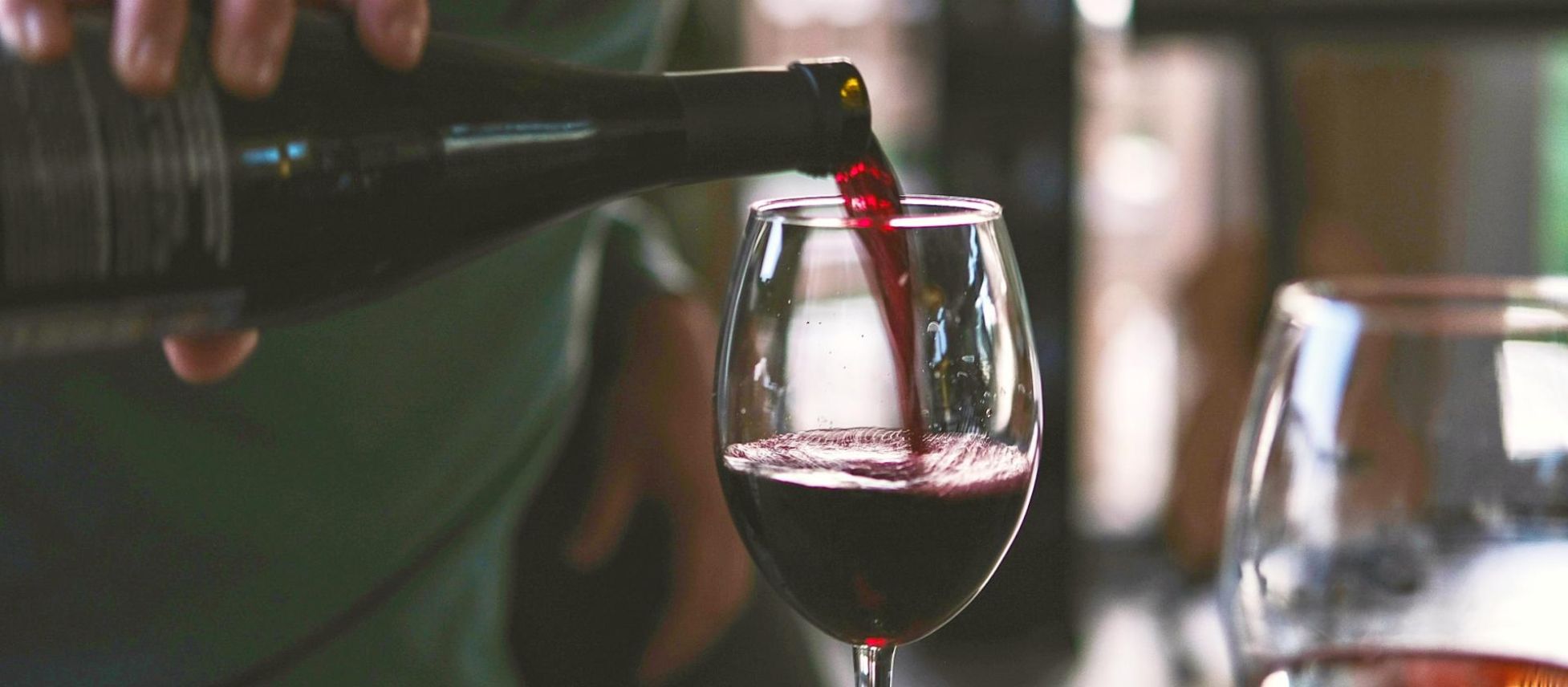
Header image sourced from Unsplash.
If you're a bulk wine or bulk spirits supplier, contract bottler, or private label producer aiming to connect with serious trade buyers, IBWSS San Francisco is the event you can't afford to miss. Get a quotation or book an exhibitor table.