

Blog
Insights
CoCo Noir's Alicia Kidd on Making AI Work for Wineries With No Tech Team
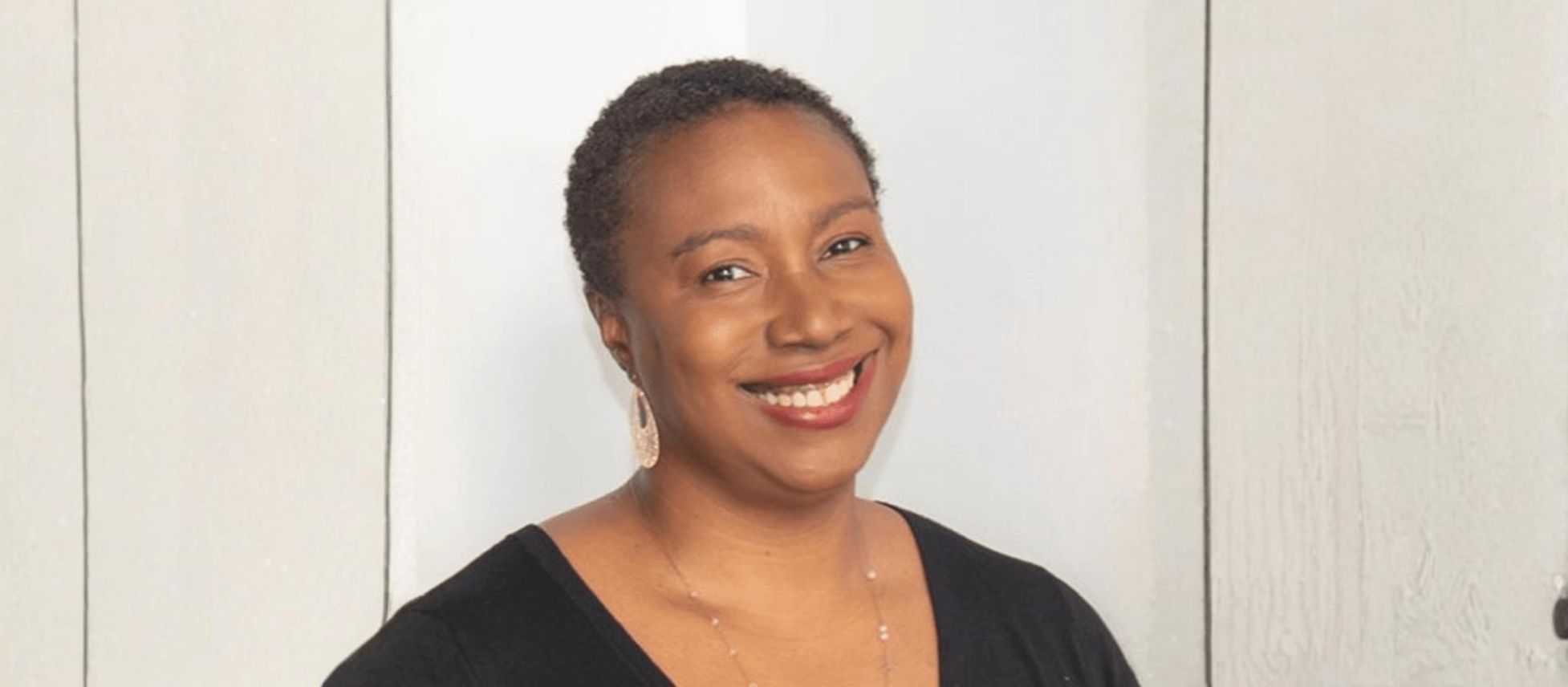
Practical AI for tasting rooms, told by someone who's implemented both
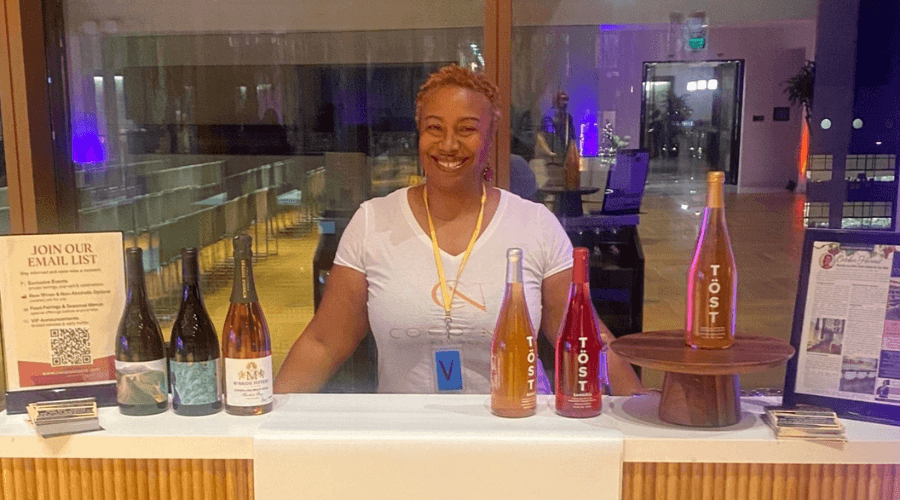
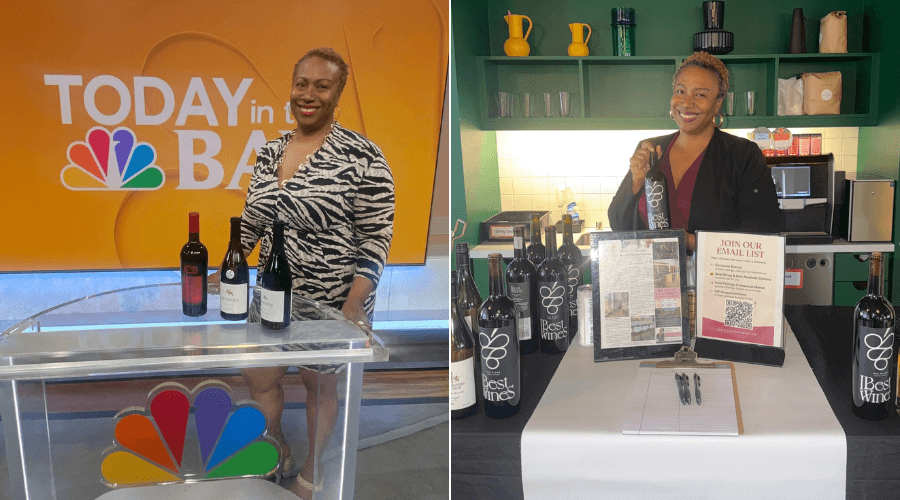
Alicia Kidd has watched AI adoption succeed and fail from two very different vantage points. Before founding CoCo Noir Wine Shop & Bar in Oakland, she spent nearly two decades leading enterprise technology rollouts in healthcare — training physicians and nurses on new systems where, time and again, the barrier wasn't the software but the people asked to use it. That experience now shapes how she thinks about AI for an industry built on relationships and stretched thin on time: small wineries, tasting rooms, and underrepresented producers who don't have a data team or a big budget, just a genuine need to buy back hours in their week. Here, Kidd talks about why adoption is a human challenge before it's a technical one, where the real opportunity sits at the consumer end of the business, and why she believes AI's biggest test in this industry is equity — not capability.
AI is often discussed as a technological shift, but you've described adoption as being just as much of a human challenge. Why do you think that distinction matters for beverage businesses?
Because I've watched technically perfect implementations fail, and imperfect ones succeed — and the difference was never the software. Before I opened a wine shop, I spent nearly two decades leading enterprise system implementations in healthcare, training physicians, nurses, and staff on new platforms. The technology was rarely the obstacle. The obstacle was fear, habit, and the very reasonable question every person asks: "What does this mean for me and how do I do my job?"
Beverage businesses are relationship businesses. Your tasting room staff, your buyers, your club managers — their value is human connection. If AI is introduced as something that threatens that, people will quietly resist it, and the tool will sit unused. If it's introduced as something that removes the tedious work so they have more time for connection, adoption follows naturally. The distinction matters because budgets get spent on tools, but success gets decided by people.
Having led enterprise software implementations before running a wine shop and tasting room, you've seen technology adoption at very different scales. What lessons about AI adoption apply equally to large organizations and small beverage businesses?
Three lessons translate directly, regardless of scale.
First, start with the problem, not the technology. In enterprise settings, the failed projects were almost always the ones that started with "we bought this system" instead of "we need to solve this." A tasting room asking "how do we use AI?" is asking the wrong question. "How do we follow up with the 40 people who visited this weekend?" is the right one.
Second, adoption is a curriculum, not an event. In healthcare implementations, we never trained people once and walked away — we built floor support, reference guides, and ongoing reinforcement. A small business owner watching one YouTube tutorial isn't adoption. Building AI into a weekly routine is.
Third, find your champion. In a hospital system, that was a respected nurse who modeled the new workflow. In a wine shop, it might be the assistant manager who's naturally curious. One enthusiastic person who demonstrates real results is worth more than any mandate — at 10,000 employees or at four.
Many beverage businesses are curious about AI but unsure where to start. What's the biggest misconception you encounter, and what should they be focusing on instead?
The biggest misconception is that AI is a major capital project — that you need a big budget, a data team, or a custom-built system before you can benefit. That belief keeps small businesses on the sidelines while they assume AI is only for the large players.
The reality is the opposite: the most immediate value for a small beverage business comes from tools that cost less per month than a case of wine. Drafting club newsletters and release emails. Writing and refreshing product descriptions and tasting notes. Summarizing supplier terms. Turning your POS reports into plain-language insights. Answering the same ten customer questions on your website.
What they should focus on is their time audit. Where do you and your staff lose hours every week on repetitive writing, sorting, and admin? Pick one of those tasks — just one — and use AI to cut it down. Prove the value, build the habit, then expand. The businesses that do best with AI aren't the ones with the biggest budgets; they're the ones that started small and stayed consistent.
Most AI solutions in the beverage industry focus on distribution and buyer discovery. What opportunities do you see at the consumer end of the business, particularly in tasting rooms and direct-to-consumer experiences?
The consumer end is where the richest, most underused data in this industry lives. Every tasting room conversation is market research — what people liked, what they hesitated on, what stories made them lean in — and almost none of it gets captured.
I see three big opportunities. First, personalization at small-business scale. Large e-commerce players have used recommendation engines for years; AI now makes that accessible to a winery with a two-person team. Knowing that a club member gravitates toward high-acid whites and dislikes heavy oak should shape what you offer them — automatically.
Second, follow-up that actually happens. Most tasting rooms lose the relationship the moment the guest walks out. AI can turn a simple visit log into a personalized thank-you, a tailored offer, or a timed invitation — the kind of follow-up everyone intends to do and almost no one has time for.
Third, storytelling. For small and underrepresented producers especially, the story is the differentiator. AI can help a winemaker who's brilliant in the cellar but stretched thin translate that story consistently across web, email, and social — without hiring an agency.
Small wineries and tasting rooms generate valuable customer insights every day, yet much of that information goes unused. How can AI help businesses turn those interactions into better decisions without adding complexity?
The key phrase is "without adding complexity" — because the moment insight capture requires new hardware, new habits, or a data analyst, it dies in a small business.
My advice is to start with the data you already have. Your POS system, your club platform, your reservation tool, and your email list are already collecting information; most owners just never look at it in aggregate. AI's superpower here is translation — taking a messy export and answering plain-language questions: What did first-time visitors buy versus club members? Which offers actually converted? What's selling on Saturdays that isn't moving on Wednesdays?
Then add lightweight capture where it's easy. A thirty-second voice note after a busy tasting session — "lots of questions about the rosé, two groups asked about private events" — can be transcribed and summarized by AI into a running log that becomes genuinely useful over a season. No forms, no clipboards, no change to how your staff engages with guests.
The decisions get better not because you collected more data, but because the data you were already generating finally becomes readable. That's the standard I hold any tool to: if it adds steps for the team on the floor, it's the wrong tool.
Running CoCo Noir Wine Shop & Bar gave you firsthand experience working with underrepresented and small producers. How has that shaped your perspective on making AI practical and accessible for businesses that don't have dedicated technology teams?
It changed everything about how I talk about technology. The producers I work with — many of them Black, Brown, and women-owned brands — are extraordinary at their craft and stretched impossibly thin on everything else. They're the winemaker, the sales team, the compliance officer, and the marketing department in one person. Telling them to "adopt AI" the way an enterprise consultant would is useless.
So my perspective became grounded in three principles. Accessibility means low-cost and low-lift — tools that work on the phone they already own, in the hour they actually have. Practicality means tying every recommendation to a task they already do: the email they were going to write anyway, the label copy that's overdue, the distributor pitch they've been putting off. And equity means recognizing that AI can either widen the gap between well-resourced brands and everyone else, or narrow it — depending entirely on who gets access, training, and honest guidance.
That's really the mission behind CoCo Noir Labs: making sure the businesses that have historically been last in line for technology advantages are first in line for this one. The small producers don't need AI to become tech companies. They need it to buy back their time so they can do more of what only they can do.
AI is rapidly changing how beverage businesses approach sales, operations, and decision-making. Looking ahead, where do you think the biggest opportunities and the biggest challenges will emerge over the next few years?
On the opportunity side, I think the biggest shift is that sophisticated capability is being democratized. Demand forecasting, customer segmentation, dynamic offer targeting — things that once required enterprise budgets — are becoming available to a tasting room manager with a laptop. The businesses that build AI fluency now, even modestly, will compound that advantage. I also expect AI agents to start handling real multi-step work: compliance paperwork, distributor follow-ups, club logistics. For a small operator, that's like adding staff you couldn't otherwise afford.
The challenges are just as real. First, trust and authenticity — wine is a category built on story and provenance, and consumers will punish brands whose AI-generated content feels hollow. The craft has to stay human; AI should amplify your voice, not replace it. Second, data privacy — as small businesses collect more customer data, they inherit responsibilities they may not be prepared for, and regulation is only tightening. Third, the adoption gap itself: if only well-capitalized players build these capabilities, consolidation pressure on small and underrepresented producers gets worse.
That last one is the challenge I care most about. The technology will keep improving on its own. Whether its benefits are distributed equitably across this industry — that's up to us.
[[relatedPurchasesItems-71]]
Conclusion
What comes through across Kidd's answers is a refusal to let AI stay abstract. Every recommendation ties back to a task someone's already doing — the newsletter, the follow-up email, the tasting note that's overdue — and every principle she names, from accessibility to trust, is grounded in producers she works with directly. It's a vision of AI that doesn't ask small and underrepresented brands to become tech companies; it just asks the technology to give them back enough time to do what only they can do. As Kidd puts it, the tools will keep getting better on their own. Whether the industry shares that advantage fairly is still an open question — and one she clearly intends to keep pushing on.
Also Read:
Barrel Reduction Strategies: How Wineries Are Using Alternative Oak to Improve Their Economics
Logistics Isn't Just About Moving Wine. It's About Protecting Margins.
Beyond the Bottle: How Smart Packaging and Closures Protect Quality and Improve Profitability
If you're a bulk wine or bulk spirits supplier, contract bottler, or private label producer aiming to connect with serious trade buyers, IBWSS San Francisco is the event you can't afford to miss. Get a quotation or book an exhibitor table.